

As 2027 approaches, automotive aftermarket and heavy-duty businesses should be looking beyond short-term ecommerce improvements and thinking about how their online strategy can support long-term growth.
For manufacturers, distributors, and suppliers, ecommerce is about more than simply selling products online. A successful ecommerce strategy should make it easier for customers to find the right parts, access accurate product information, check availability, place orders, and get the support they need throughout the buying process.
As customer expectations continue to evolve, now is a good time to review your current ecommerce strategy and identify opportunities for improvement in 2027.
Start With the Customer Experience
One of the most important areas to evaluate is the overall customer experience. 
Whether a customer is purchasing a heavy-duty component or an automotive aftermarket part, they expect to find the information they need quickly and easily. A complicated website, difficult navigation, or missing product information can create unnecessary friction in the buying process.
As you plan for 2027, consider:
- Is it easy for customers to find the products they need?
- Can customers search by part number, application, vehicle, or other relevant information?
- Is product information accurate and easy to understand?
- Is the ordering process simple?
- Does the website provide a consistent experience across desktop and mobile devices?
Small improvements to the customer experience can make a significant difference in how customers interact with your business online.
Make Product Data a Priority
Accurate and complete product information is essential for ecommerce in the automotive aftermarket and heavy-duty industries.
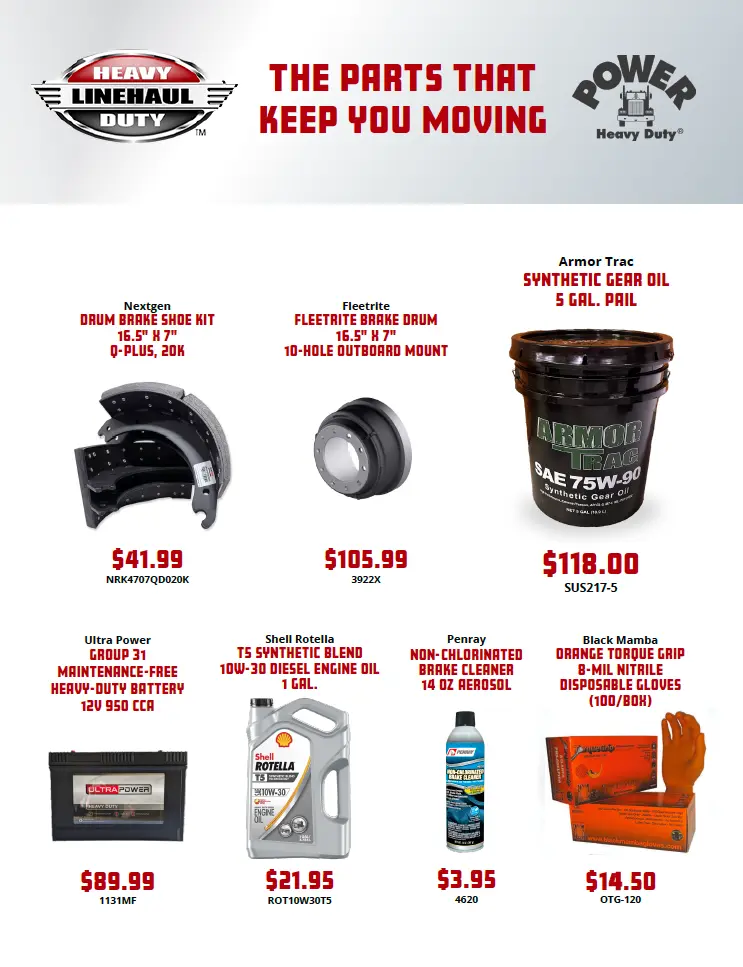
Customers often need more than a product name and price before making a purchasing decision. They may need specifications, dimensions, applications, images, fitment information, interchange numbers, brand information, or other product attributes.
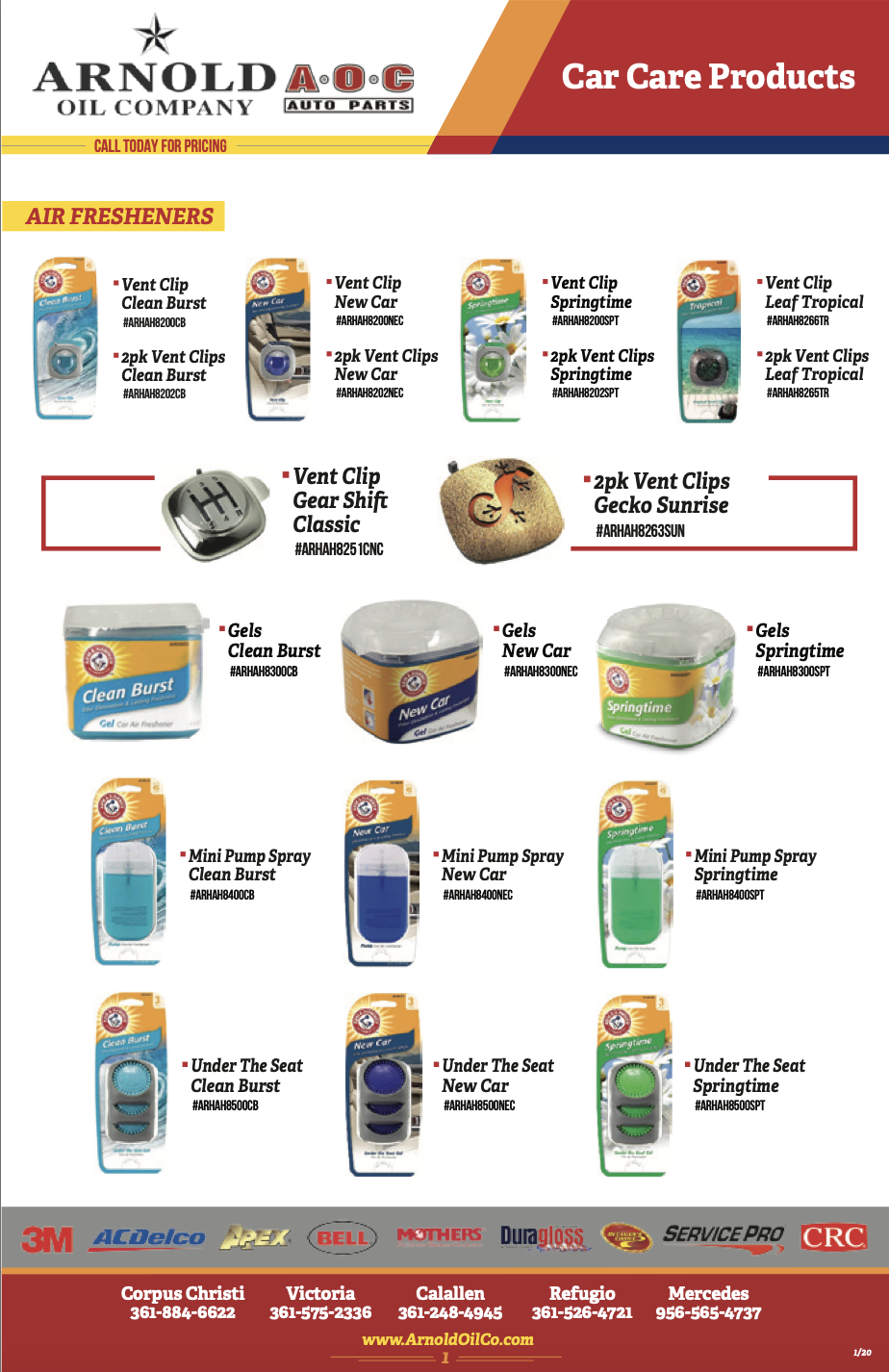
For 2027, businesses should review the quality and consistency of their product data. Well-organized product information not only helps customers make better purchasing decisions, but also makes it easier to manage products across websites, catalogs, marketplaces, and other digital channels.
Evaluate Your Site Search and Navigation
A customer should not have to know exactly where a product is located on your website to find it.
Effective search and navigation are especially important for parts businesses, where customers may search using a part number, product category, vehicle, application, or even a general description of what they need.
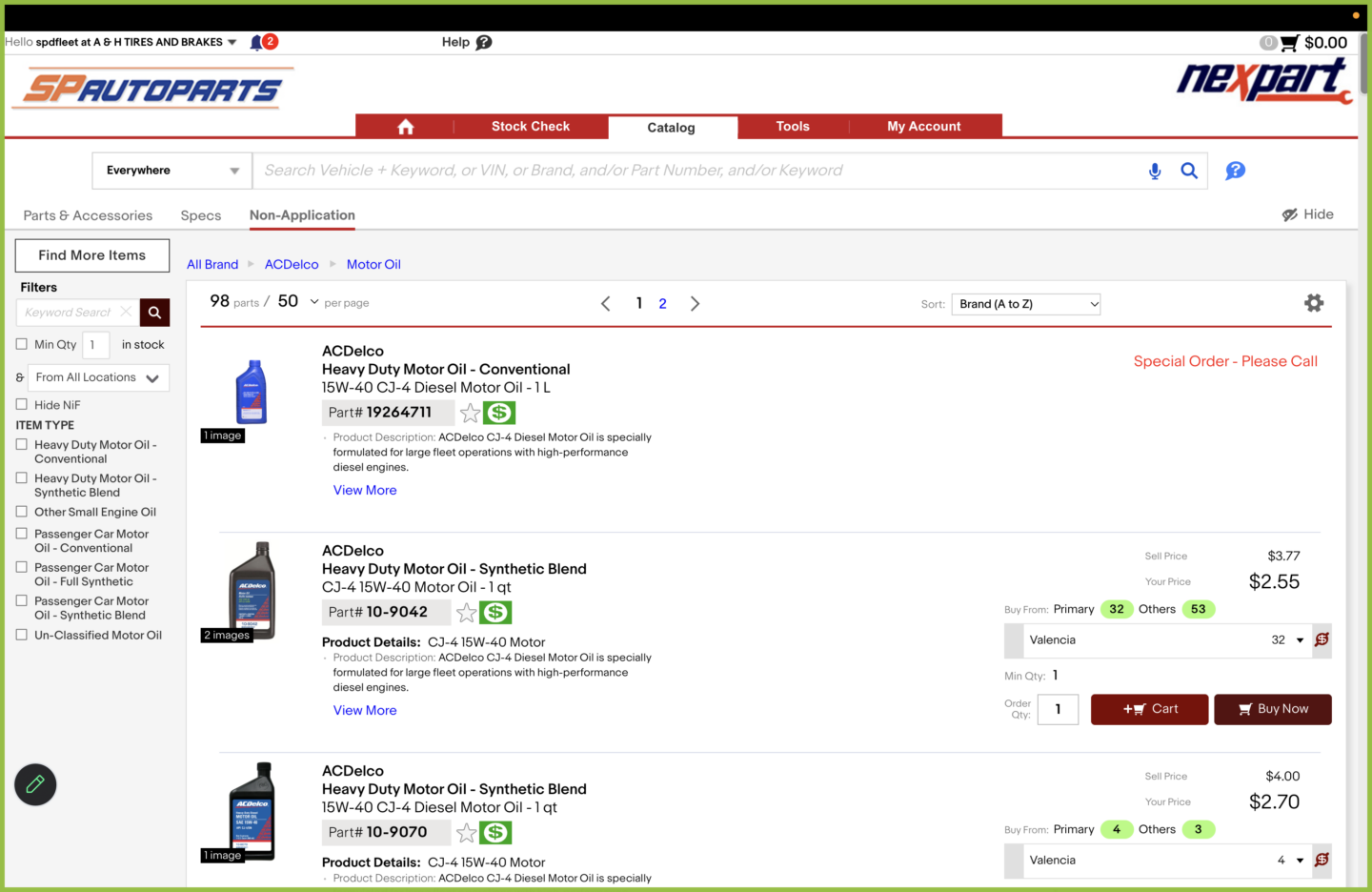
Review your website analytics to identify what customers are searching for and where they may be having difficulty. Improving search functionality, filtering, categories, and navigation can help customers get to the right products faster.
Review Your Ecommerce Integrations
Ecommerce does not operate independently from the rest of the business.
Your website may need to work with inventory systems, ERP platforms, electronic catalogs, customer accounts, pricing systems, ordering platforms, and other business tools. When these systems work together effectively, customers can receive more accurate and timely information throughout the buying process.
As part of your 2027 planning, review your current integrations and identify areas where information may be outdated, duplicated, or difficult to manage.
For distributors and manufacturers, improving these connections can help create a more efficient ecommerce experience for both customers and internal teams.
Don’t Overlook Mobile
B2B customers may still do much of their purchasing from a desktop computer, but mobile devices play an important role in the research and buying process.
Customers may use their phones to look up a part number, research a product, check product information, or access their account while working in a shop, warehouse, or on the road.
Make sure your ecommerce website is easy to use on different screen sizes. Product information, search functionality, navigation, and forms should all be accessible without unnecessary scrolling or complicated steps.
Use Your Ecommerce Data
Your ecommerce website generates valuable information about how customers interact with your business.

Instead of only looking at sales, take a broader look at your website data. Consider which products receive the most attention, what customers search for, which pages lead to conversions, and where customers may leave the site.
This information can help identify opportunities that may otherwise be overlooked.
For example, if customers frequently search for a product that is difficult to find through your website navigation, that could indicate an opportunity to improve your site structure. If certain products receive significant traffic but few purchases, it may be worth reviewing their product information, pricing, availability, or purchasing process.
Prepare for Smarter Search and AI
AI and smarter search technologies are becoming an increasingly important part of the digital buying experience.
For automotive aftermarket and heavy-duty businesses, this makes organized and accurate product information even more important. Customers expect search tools to understand what they are looking for and help them find relevant products.
Businesses should focus on maintaining structured, accurate, and consistent product data while evaluating how new technologies could improve product discovery and the overall customer experience.
The goal is not simply to add the latest technology. Instead, consider where technology can solve an actual customer problem or make the buying process more efficient.
Build a Practical 2027 Roadmap
You do not need to completely rebuild your ecommerce strategy overnight. A better approach is to identify the areas that will have the greatest impact and prioritize them.
Start by reviewing your current website, customer feedback, analytics, product data, and integrations. From there, identify the most important improvements and create a realistic timeline for addressing them.
2027 Ecommerce Strategy Checklist
Before the new year, consider whether your business should:
- Review the overall ecommerce customer experience
- Audit product information and data quality
- Improve website search and navigation
- Evaluate mobile usability
- Review ecommerce and business-system integrations
- Analyze website and customer behavior data
- Identify opportunities to improve product discovery
- Evaluate new technology and AI opportunities
- Set measurable ecommerce goals for 2027
- Create a prioritized roadmap for improvements
Looking Ahead to 2027
A strong ecommerce strategy is not just about having a website where customers can place orders. It is about creating a digital experience that supports the way customers in the automotive aftermarket and heavy-duty industries actually research, purchase, and manage products.
By reviewing your ecommerce experience now, you can identify opportunities, prioritize improvements, and enter 2027 with a clearer strategy for supporting both your customers and your business.
The businesses that take the time to understand their customers, improve their digital experience, and build a strong foundation of product data will be better positioned to adapt as ecommerce continues to evolve.